
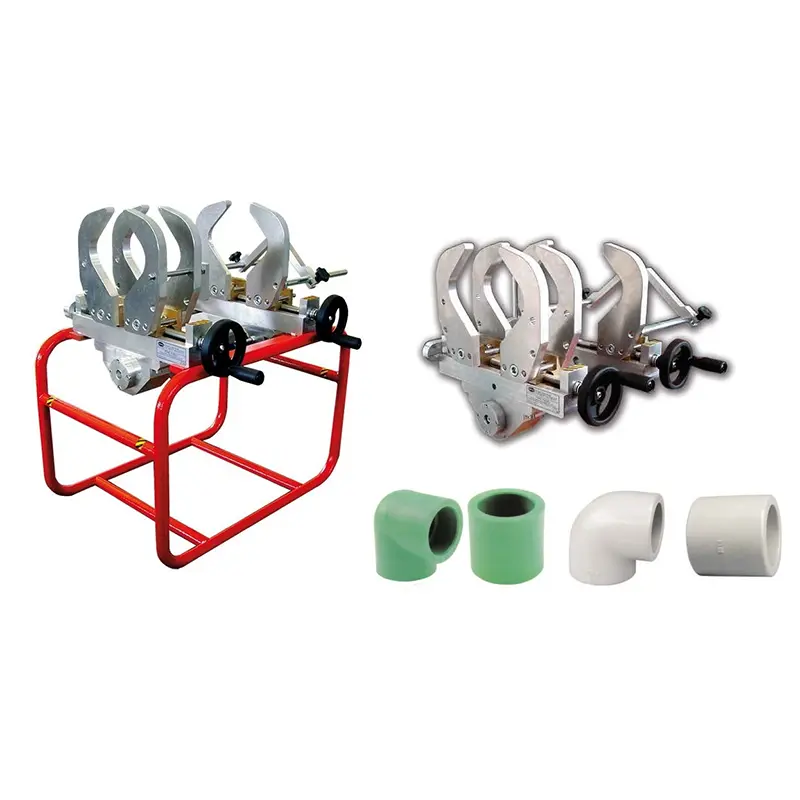
In recent years, advancements in ultrasonic welding technology have significantly transformed the plastic pipe welding industry. Ultrasonic welding plastic machines have become increasingly vital in various infrastructure projects, offering efficient, reliable, and high-quality welding solutions. This innovation aligns with the ongoing global demand for durable, safe, and cost-effective piping systems used in water supply, sewage management, gas distribution, and other critical infrastructure sectors.
### A New Era in Plastic Pipe Welding
Ultrasonic welding is a process that uses high-frequency ultrasonic vibrations to create a solid-state weld between thermoplastic materials. Unlike traditional welding techniques that rely on external heat sources or adhesives, ultrasonic welding generates localized heat through friction, which melts the plastic at the joint interface. This method ensures a strong, seamless bond without compromising the material’s integrity or causing deformation.
By employing ultrasonic welding plastic machines, construction and manufacturing industries can achieve faster processing times, improved weld quality, and reduced energy consumption. The technology allows for precise control over welding parameters such as vibration frequency, amplitude, pressure, and duration, resulting in consistent joints that meet stringent safety and performance standards.
### Application and Benefits
Ultrasonic plastic welding machines are particularly beneficial for joining polyethylene (PE), polypropylene (PP), and polyvinyl chloride (PVC) pipes commonly used in infrastructure projects. These materials demand welding solutions that can withstand thermal expansion, mechanical stress, and chemical exposure—qualities that ultrasonic welding aptly provides.
Key benefits of ultrasonic welding plastic machines include:
- **High Efficiency:** Ultrasonic welding cycles occur within seconds, enabling high throughput in production environments.
- **Strong Bonding:** The welds produced are homogeneous and free from voids or cracks, ensuring leak-proof pipe connections.
- **Eco-Friendly Process:** The technology eliminates the need for solvents or additional materials, reducing environmental impact.
- **Automation Friendly:** The machines are compatible with robotic systems, allowing for automated welding in manufacturing lines.
- **Versatility:** Adaptable to various pipe sizes and geometries, meeting diverse project requirements.
### Industry Impact and Future Outlook
The adoption of ultrasonic welding plastic machines marks an important shift towards modernizing plastic pipe installations across global infrastructure projects. Governments and private contractors are increasingly prioritizing durable infrastructure to meet urbanization and sustainability goals, further driving demand for innovative welding solutions.
Moreover, the integration of ultrasonic welding technology with digital control systems and real-time monitoring ensures enhanced quality assurance. This progress underpins greater confidence in pipeline safety and longevity, reducing maintenance costs and downtime for critical utilities.
### Company Legacy and Commitment to Quality
Since its establishment, a leading manufacturer in the piping tools and plastic pipe welding equipment sector has risen to prominence as a global industry leader. The company’s commitment to innovation, quality, and customer service has cemented its reputation in supporting infrastructure development worldwide.
By consistently delivering advanced products such as ultrasonic welding plastic machines, the company plays a crucial role in advancing the effectiveness and reliability of piping systems. Through ongoing research and development, coupled with stringent quality control standards, the manufacturer ensures that its solutions meet the evolving needs of the market.
### Conclusion
Ultrasonic welding plastic machines represent a significant technological advancement in the field of plastic pipe welding, offering superior performance and operational efficiencies that meet the challenges of modern infrastructure construction. As the demand for sustainable, high-quality piping continues to grow, ultrasonic welding stands at the forefront of innovation—empowering industries to build safer, more resilient water, gas, and sewage networks worldwide.
With firms dedicated to pioneering such technologies and supporting global infrastructure needs, the future of plastic pipe welding is poised for continued growth and excellence. These developments not only improve construction outcomes today but also contribute to the long-term sustainability and reliability of essential utility systems for generations to come.