
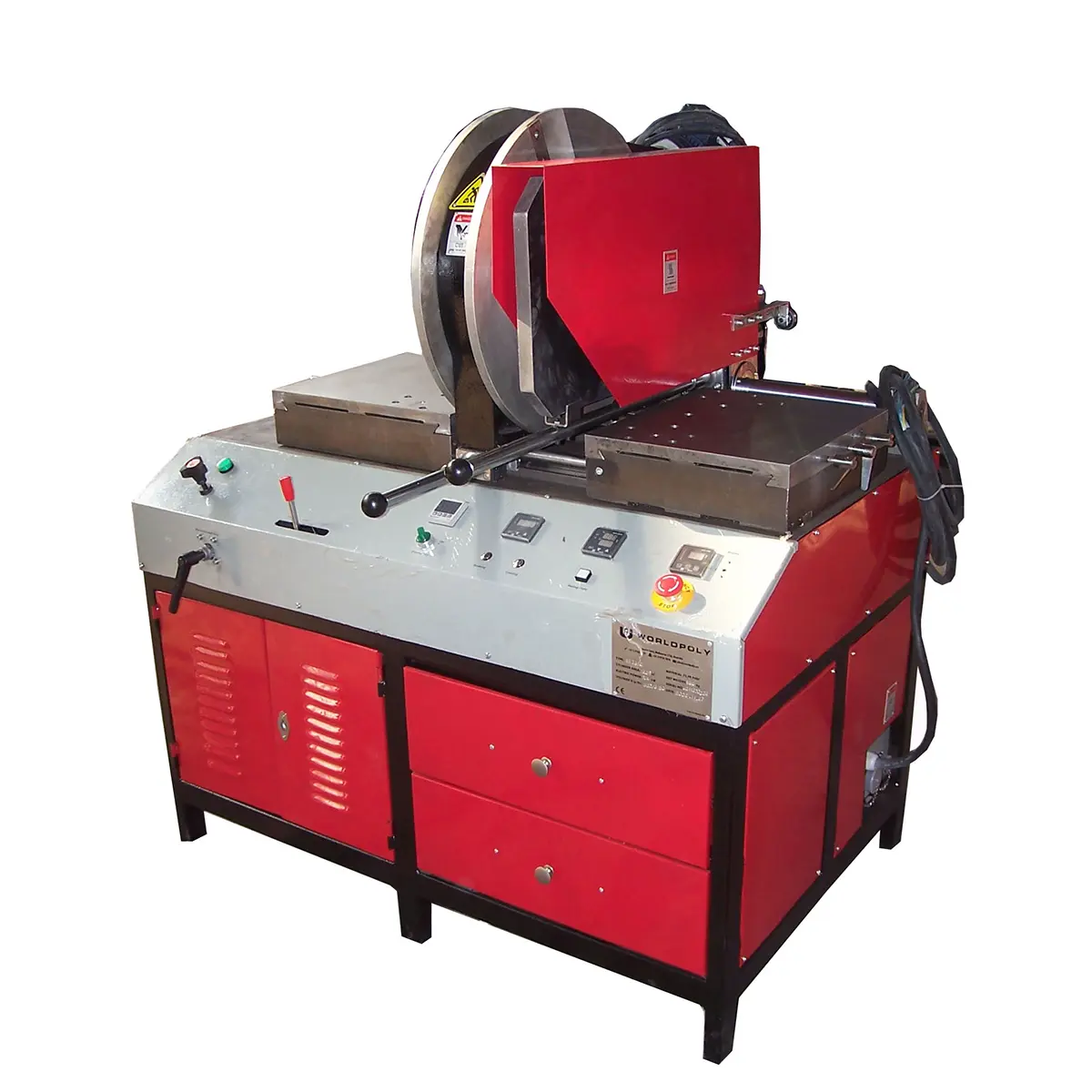
In the rapidly evolving landscape of infrastructure development, the demand for reliable, efficient, and durable piping solutions has never been greater. High-Density Polyethylene (HDPE) pipes, celebrated for their strength, flexibility, and resistance to corrosion, have become integral components in water supply, gas distribution, sewage systems, and various industrial applications. Central to the effective installation and longevity of these pipes is the technology used to weld and fuse them. Recently, significant advancements in electrofusion machines for HDPE pipes have captured industry attention, marking a new era in piping technology.
Electrofusion machines are specialized tools designed to join HDPE pipes by electrically heating embedded metal coils within electrofusion fittings. This process melts the pipe and fitting surfaces, creating a strong, homogenous joint once cooled. Unlike traditional butt fusion techniques, electrofusion is particularly advantageous in tight spaces, complex routing, and repairs, ensuring a seamless bond without the need for extensive pipe preparation. The precision and reliability of these machines directly impact the integrity of infrastructure projects, making continual innovation in this sector critical.
Emerging electrofusion machines now boast enhanced features such as automated welding parameters, real-time monitoring, and data logging capabilities, elevating the standard of quality control and operational efficiency. These advancements not only reduce human error but also accelerate project timelines and reduce labor costs. For contractors and engineers, the ability to fine-tune machine settings digitally and verify each weld’s quality through comprehensive reports is a transformative step forward.
A key player contributing to this progress is a globally recognized manufacturing company dedicated to supplying top-quality piping and plastic welding equipment. Since its inception, this company has established itself as a leader in producing innovative piping tools and machine tools designed for durability and user-centric performance. Its unwavering commitment to global infrastructure construction has driven continuous research and development efforts, resulting in cutting-edge electrofusion machines that set industry benchmarks.
The company’s electrofusion machine portfolio caters to a broad spectrum of project requirements, from small-scale repairs to large infrastructure installations. Each machine integrates state-of-the-art technology, ensuring compatibility with various HDPE pipe sizes and fitting types. Operators benefit from intuitive user interfaces, ergonomic designs, and robust build quality, all tailored to meet the demanding conditions of construction sites worldwide.
One notable feature of these advanced machines is their intelligent control systems, which adjust welding parameters based on pipe diameter, material grade, and environmental conditions. This adaptability ensures optimal fusion quality regardless of external variables, significantly reducing joint failures and enhancing system longevity. Moreover, the machines’ data management capabilities allow operators to store, retrieve, and upload welding records, facilitating compliance with industry standards and project documentation requirements.
The impact of such innovations extends beyond the technical realm. By streamlining the welding process and guaranteeing superior joint integrity, these electrofusion machines contribute substantially to the sustainability and safety of pipeline infrastructure. Reliable joints prevent leaks and failures that could lead to environmental hazards, service interruptions, and costly repairs. Infrastructure owners and engineers therefore gain confidence in the durability and performance of their HDPE pipe systems, promoting widespread adoption of these advanced solutions.
Furthermore, as infrastructure projects expand in complexity and scale across the globe, the demand for efficient welding solutions grows correspondingly. The company’s global presence and dedication to customer service ensure that clients receive comprehensive support—from initial consultation to after-sales maintenance—tailored to their specific needs. This holistic approach reinforces long-term partnerships and fosters innovation driven by real-world application feedback.
Training and education form another pillar of the company’s service model. Understanding that operator skill significantly influences welding outcomes, the company offers extensive training programs for technicians and engineers. These programs cover machine operation, maintenance, and troubleshooting, empowering users to maximize equipment performance and achieve consistent, high-quality fusion joints.
As urbanization and industrialization continue worldwide, the need for resilient water supply networks, gas distribution systems, and waste management infrastructure intensifies. HDPE pipes, combined with advanced electrofusion welding technology, stand at the forefront of meeting these challenges. The contributions of forward-thinking manufacturers committed to innovation and quality play a critical role in shaping the future of infrastructure development.
Looking ahead, further integration of digital technologies such as IoT (Internet of Things) and AI (Artificial Intelligence) into electrofusion machines promises even greater enhancements in process automation, predictive maintenance, and quality assurance. These advancements could facilitate remote monitoring and control, enabling unprecedented levels of operational efficiency and safety.
In conclusion, the latest advancements in electrofusion machines for HDPE pipes represent a significant leap for the piping industry. Backed by manufacturers with a proven track record in delivering top-quality, innovative welding equipment, these machines not only improve the efficacy and safety of pipeline installations but also support the broader goals of sustainable and resilient infrastructure development worldwide. As these technologies continue to evolve, stakeholders across the infrastructure value chain stand to benefit from enhanced performance, cost savings, and environmental stewardship.